


Salud
EE.UU. despliega millonaria ofensiva contra el ébola en África y activa alerta global para proteger a sus ciudadanos
El Departamento de Estado anunció una respuesta de emergencia sin precedentes en la RDC y Uganda, con equipos especializados, restricciones de viaje, evacuaciones y más de 300 millones de dólares movilizados para contener el virus

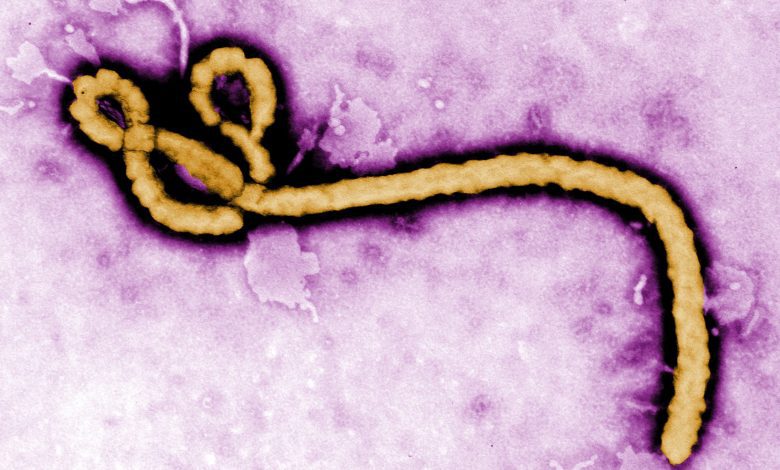
Ebola hemorrhagic fever (Ebola HF) is a severe, often-fatal disease in humans and nonhuman primates (monkeys, gorillas, and chimpanzees) that has appeared sporadically since its initial recognition in 1976.
The disease is caused by infection with Ebola virus, named after a river in the Democratic Republic of the Congo (formerly Zaire) in Africa, where it was first recognized. The virus is one of two members of a family of RNA viruses called the Filoviridae. There are four identified subtypes of Ebola virus. Three of the four have caused disease in humans: Ebola-Zaire, Ebola-Sudan, and Ebola-Ivory Coast. The fourth, Ebola-Reston, has caused disease in nonhuman primates, but not in humans.